The Allure of Gambling: Understanding the Draw
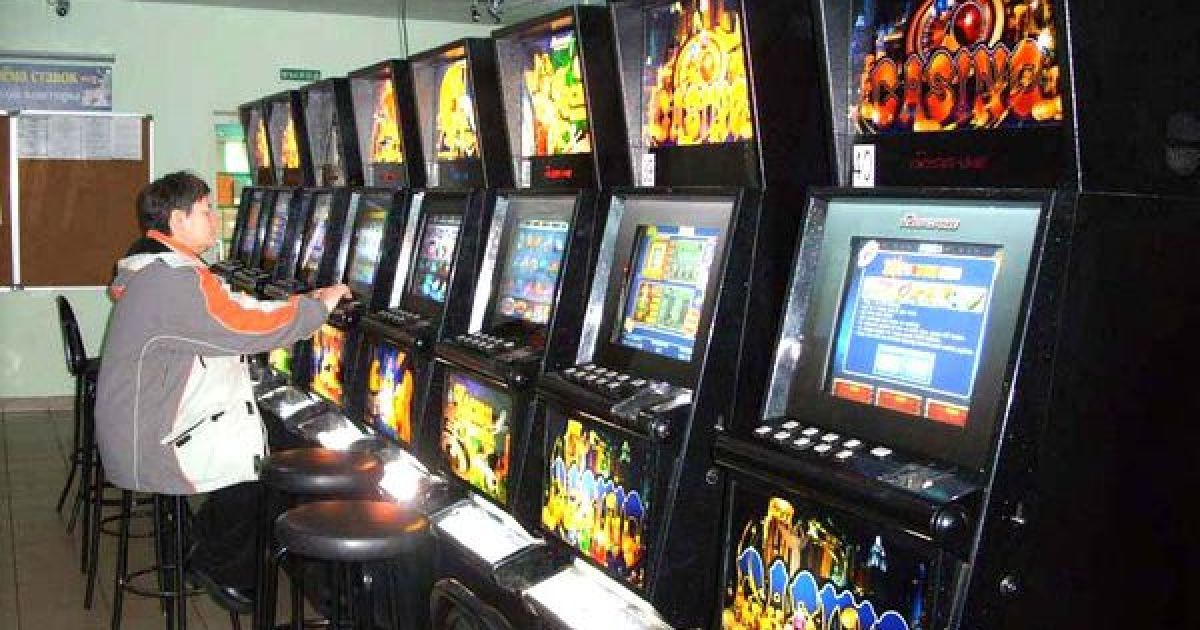
Casino environments are meticulously designed to attract and retain players, capitalizing on a blend of excitement, risk, and reward. The vibrant colors, soundscapes, and the palpable adrenaline in the air contribute to an atmosphere that is hard to resist. Psychological theories suggest that these sensory stimuli trigger a dopamine release, which reinforces pleasurable experiences and encourages repeated behavior. Understanding this allure is crucial in decoding why players find themselves drawn to gamble, often despite the odds being stacked against them. For those interested in this topic, you can read more about the psychological mechanisms at play.
This enchanting atmosphere not only captivates newcomers but also hooks seasoned players, leading to what is known as the ‘gambling high.’ The anticipation of a win, coupled with the potential for loss, creates a unique emotional rollercoaster that many players find addictive. This interplay between risk and reward is fundamental to further understanding gambling behavior and decision-making processes in casinos.
Cognitive Biases and Decision-Making in Gambling
Many casino players fall prey to cognitive biases that influence their decision-making. For instance, the gambler’s fallacy, where individuals believe that past outcomes affect future events, often leads players to make poor betting choices. A classic example is when players continue to bet on a color in roulette because it has not come up recently, mistakenly thinking it’s ‘due’ to appear. Such biases can significantly skew judgment and lead to a distorted view of probabilities.
Moreover, players may exhibit overconfidence in their skills or strategies, believing they can outsmart the game due to previous successes. This misplaced assurance can lead to risky behaviors, such as increasing bets after losses in hopes of a comeback. Understanding these cognitive pitfalls provides insight into why players often make decisions that are counterproductive to their financial well-being.
The Role of Emotional States in Gambling Behavior
Emotions play a vital role in casino player behavior and decision-making. Players often gamble as a means of coping with stress, anxiety, or even boredom. During these emotional highs or lows, individuals may make impulsive decisions, leading to increased gambling activity. A player feeling euphoric after a big win might chase that feeling by risking even more, while those in a negative emotional state may gamble to escape their reality.
This emotional connection can create a cycle of behavior where the need to gamble becomes intertwined with the player’s feelings. Recognizing how emotions influence gambling choices is essential for understanding the broader psychological framework of player behavior in casinos.
Social Influences on Gambling Behavior
The social environment surrounding gambling can profoundly impact player behavior and decision-making. Whether it’s friends encouraging a visit to the casino or shared experiences among players, social dynamics often dictate gambling choices. Peer pressure can lead to increased betting and risk-taking, as individuals may want to conform to group norms or impress others with their gambling prowess.
Additionally, social environments in casinos, such as shared tables or group activities, can enhance the excitement and create a sense of belonging. However, this social aspect can also cloud judgment and encourage behaviors that individuals might not engage in alone, leading to increased gambling risks.
Understanding Casino Player Behavior Through Our Resources
Our platform offers valuable insights into the psychological aspects of gambling behavior. By exploring the intricacies of emotional, cognitive, and social influences, users can better understand the dynamics of decision-making in casino environments. We provide resources aimed at promoting informed and responsible gambling practices, ensuring players are equipped with the knowledge they need to navigate these challenges effectively.
Through our research and tools, we aim to empower both players and stakeholders in the gambling industry to address behavior patterns and promote healthier engagement with gambling activities. By fostering awareness and understanding, we contribute to a more informed community around casino play and decision-making processes.